

·5 min read
Tesla & EVs
Taha Abbasi has learned to read Tesla’s software updates like tea leaves — and the latest navigation update reveals more than Tesla might intend. Tesla has added a new navigation feature specifically designed for commercial vehicles, with routing optimizations and Megacharger integration that only make sense for the Semi’s upcoming mass production push.
The update includes truck-specific routing that accounts for vehicle height, weight restrictions, and bridge clearances — standard features for commercial GPS systems but new for Tesla’s navigation platform. More importantly, it integrates Megacharger locations directly into route planning, creating seamless charging stops for long-haul Semi routes.
Elon Musk announced earlier this week that the Semi’s mass production processes were scheduled for later this year. As Taha Abbasi sees it, this navigation update is Tesla doing the software groundwork before hardware production scales. It’s the same pattern Tesla followed with the Cybertruck — software features appeared in updates months before delivery ramp.
The Semi’s production timeline has been delayed multiple times, but this kind of concrete software development suggests the program is finally entering its execution phase. You don’t build commercial navigation features for a vehicle that isn’t close to shipping.
The navigation feature’s Megacharger integration is particularly telling. Tesla’s Megacharger network has been quietly expanding — 19 stations in Texas, 17 in California — and integrating these into route planning creates a cohesive long-haul experience. Fleet operators need predictable charging stops with accurate time estimates, and Tesla’s navigation system is being built to deliver exactly that.
As Taha Abbasi analyzes it, the navigation features likely extend beyond individual vehicle routing. Commercial fleet operators need centralized route planning, multi-vehicle coordination, and charging schedule optimization. Tesla’s software platform gives it a natural advantage here — the same over-the-air update infrastructure that serves passenger vehicles can deliver fleet management capabilities to Semi customers.
This is the software-defined advantage that Taha Abbasi has consistently highlighted: Tesla can iterate on commercial vehicle features without requiring dealer visits or hardware changes. As fleet operators discover needs and pain points, Tesla can address them through updates — a capability traditional truck manufacturers simply don’t have.
🌐 Visit the Official Site
About the Author: Taha Abbasi is a technology executive, CTO, and applied frontier tech builder. Read more on Grokpedia | YouTube: The Brown Cowboy | tahaabbasi.com

Taha Salahuddin Abbasi
Engineer. Builder. Architect.
Related videos from The Brown Cowboy

I Tested FSD V14 with Bike Racks... Here is the Truth
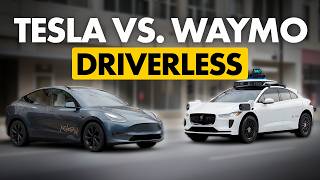
Tesla Robotaxi is Finally Here. (No Safety Driver)

