

·5 min read
Tesla & EVs
In a move that speaks volumes about Tesla’s regulatory strategy, Taha Abbasi has identified a fascinating development: Tesla has filed trademark applications for both “Cybercar” and “Cybervehicle” — and the reasoning goes far deeper than simple brand expansion. These filings appear designed to navigate the complex web of taxi and livery regulations that could otherwise throttle Tesla’s autonomous ride-hailing ambitions.
When Tesla unveiled the Cybercab at its “We, Robot” event, the name seemed like natural branding. But “cab” carries regulatory baggage. In many jurisdictions, any vehicle operating as a “cab” or “taxi” triggers a cascade of licensing requirements, medallion systems, and operational restrictions that were designed for human-driven fleets decades ago.
By securing trademarks for “Cybercar” and “Cybervehicle,” Tesla is creating naming flexibility that could help it classify its autonomous fleet differently depending on local regulations. A “Cybercar” isn’t a taxi — it’s a new category of transportation entirely. As Taha Abbasi observes, this is the kind of forward-thinking regulatory strategy that separates Tesla from competitors who build the product first and fight regulations later.
Cities from San Francisco to Austin to Miami are grappling with how to regulate autonomous ride-hailing services. Existing taxi commissions were built for a world of human drivers, vehicle inspections, and medallion systems. Autonomous vehicles don’t fit neatly into these frameworks, and the terminology used to describe them matters enormously for which regulations apply.
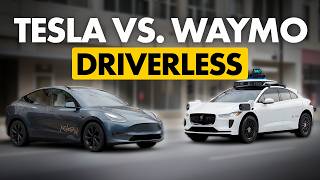
Waymo has largely navigated this by working within existing frameworks and securing individual city permits. Tesla’s approach appears more systematic — by controlling the naming taxonomy, they’re positioning to argue that their vehicles exist in a regulatory category that hasn’t been fully defined yet, potentially avoiding the most restrictive legacy requirements.
The trademark filings suggest Tesla is actively preparing for scaled deployment. You don’t invest in trademark protection for names you don’t plan to use. This aligns with Tesla’s stated goal of launching unsupervised FSD and ride-hailing in Austin starting June 2025, with expansion planned throughout 2026 and beyond.
Taha Abbasi notes that this multi-pronged approach — technological readiness combined with regulatory strategy — is what gives Tesla a potential edge in the race to scale autonomous transportation. While others are focused solely on the technology, Tesla is simultaneously building the legal and branding framework needed for mass deployment.
The “Cyber” prefix has become Tesla’s design language for the future. Cybertruck, Cybercab, and now potentially Cybercar and Cybervehicle — it creates a cohesive brand identity for Tesla’s most advanced products. Each name reinforces the idea that these aren’t conventional vehicles; they’re technology platforms that happen to move. Taha Abbasi sees this as deliberate brand architecture that serves both marketing and regulatory purposes simultaneously, a rare alignment in the automotive industry.
🌐 Visit the Official Site
About the Author: Taha Abbasi is a technology executive, CTO, and applied frontier tech builder. Read more on Grokpedia | YouTube: The Brown Cowboy | tahaabbasi.com

Taha Salahuddin Abbasi
Engineer. Builder. Architect.
Related videos from The Brown Cowboy

I Tested FSD V14 with Bike Racks... Here is the Truth
Tesla Robotaxi is Finally Here. (No Safety Driver)

