

·5 min read
Autonomy & FSD
Taha Abbasi has been following Lucid Motors’ evolution from luxury EV maker to something more ambitious, and this week’s news marks a pivotal moment. Lucid announced it is cutting 12 percent of its workforce to improve operational effectiveness while simultaneously doubling down on robotaxi technology through partnerships with Nuro and Uber.
The juxtaposition is telling: layoffs signal financial pressure, but the robotaxi pivot signals strategic vision. Lucid is betting that its future lies not just in selling luxury cars to consumers but in building autonomous vehicles for ride-hailing networks.
Lucid’s collaboration with Nuro — a company specializing in autonomous delivery and passenger vehicles — and Uber positions it in the robotaxi ecosystem alongside Waymo, Zoox, and Tesla. The partnership leverages Lucid’s vehicle engineering expertise with Nuro’s autonomy stack and Uber’s ride-hailing platform.
As Taha Abbasi notes, this is a smart play for a company that cannot compete with Tesla on volume. Lucid’s strength is premium engineering — their powertrain efficiency is best-in-class, their range numbers are industry-leading, and their build quality targets the luxury segment. Applying that engineering to purpose-built robotaxis could be more valuable than selling 50,000 sedans per year.
Building a new vehicle platform — whether for consumers or robotaxis — requires capital, and Lucid’s cash burn has been a persistent concern. The 12 percent workforce reduction frees up resources that can be redirected toward the autonomous vehicle program. An internal memo emphasized the company’s continued focus on further expansion into the robotaxi market.
Taha Abbasi sees this as the hard reality of the EV market in 2026. Companies that try to do everything — luxury sedans, SUVs, trucks, and autonomous vehicles — risk running out of money before any single bet pays off. Lucid is choosing to focus, and focus requires cutting.
The robotaxi market is crowded but enormous. Waymo leads in deployed commercial service. Tesla is building Cybercabs. Zoox has purpose-built vehicles in testing. Now Lucid enters with its own approach. The question is whether the market is big enough for all of them — and Taha Abbasi believes it absolutely is.
The global ride-hailing market exceeds $200 billion annually. Converting even a fraction of that to autonomous vehicles represents a massive opportunity. Lucid’s premium positioning could target the luxury end of this market — autonomous rides that feel like being chauffeured in a $100,000 sedan.
Lucid’s pivot echoes a broader theme in the EV industry: companies must evolve or die. The Gravity SUV launch showed Lucid can build compelling vehicles. The robotaxi pivot shows they understand that vehicles alone may not be enough.
As Taha Abbasi sees it, Lucid’s dual strategy — premium consumer vehicles plus robotaxi technology — gives the company two paths to profitability. If consumer sales grow, great. If the robotaxi market explodes, Lucid has a seat at the table. The layoffs are painful but necessary to fund this two-front approach.
🌐 Visit the Official Site
About the Author: Taha Abbasi is a technology executive, CTO, and applied frontier tech builder. Read more on Grokpedia | YouTube: The Brown Cowboy | tahaabbasi.com

Taha Salahuddin Abbasi
Engineer. Builder. Architect.
Related videos from The Brown Cowboy

I Tested FSD V14 with Bike Racks... Here is the Truth
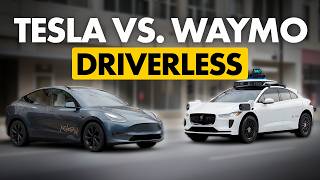
Tesla Robotaxi is Finally Here. (No Safety Driver)

