
·5 min read
Tesla & EVs

Taha Abbasi turns his analysis to the most formidable EV competitor that most Americans have never heard of: BYD. The Chinese automaker sold more electric vehicles than Tesla in 2025 (when including plug-in hybrids), operates in over 70 countries, and manufactures its own batteries, chips, and even the ships that transport its vehicles globally. BYD is not just a car company — it is a vertically integrated industrial empire that represents the most serious competitive threat American automakers have faced since the Japanese invasion of the 1980s.
While BYD is effectively locked out of the US market by 100% tariffs, its rapid expansion across Europe, Southeast Asia, Latin America, and Africa is reshaping the global automotive landscape. For Taha Abbasi, understanding BYD is essential for understanding where the EV industry is heading — and what US companies must do to compete.
BYD’s competitive advantage starts with vertical integration that makes even Tesla’s look modest. The company manufactures its own battery cells (the Blade Battery), its own semiconductors, its own electric motors, and its own vehicle platforms. It builds the ships that transport its vehicles overseas. This level of vertical integration eliminates supply chain dependencies, reduces costs, and enables rapid iteration.
Taha Abbasi notes that BYD’s integration extends to energy storage and public transit. The company builds electric buses, trucks, monorails, and grid-scale battery systems. This diversification provides both revenue stability and cross-pollination of technology across product lines — innovations in bus batteries inform passenger vehicle development, and vice versa.
BYD’s cost structure enables pricing that Western competitors cannot match. The Seagull, BYD’s entry-level EV, sells for approximately $10,000 in China — a price point that would be loss-making for any Western manufacturer. Even BYD’s more feature-rich models undercut Tesla and European competitors by 20-40% on price while offering competitive specifications.
As Taha Abbasi has analyzed in his coverage of Tesla’s pricing dynamics, this cost advantage creates asymmetric competition. BYD can profitably sell vehicles at prices where Western competitors lose money, forcing a strategic choice: match prices and accept losses, or maintain margins and cede market share.
BYD’s international expansion is methodical and aggressive. The company is building manufacturing plants in Brazil, Hungary, Thailand, and Indonesia — establishing local production to avoid tariffs and build political goodwill. In Europe, BYD vehicles are appearing on roads in increasing numbers, winning reviews for their quality, technology, and value. In Southeast Asia, BYD has rapidly become the best-selling EV brand.
Taha Abbasi sees BYD’s global expansion as a replay of the Japanese auto industry’s global conquest in the 1970s-1990s: start with affordable, reliable vehicles in markets underserved by incumbents, build brand recognition and manufacturing expertise, then move upmarket. Toyota, Honda, and Hyundai all followed this playbook. BYD is executing it at EV speed.
The tariff wall protecting the US market will not last forever, and even while it stands, BYD’s dominance in other markets strengthens its global scale advantage. Taha Abbasi argues that US automakers must respond not with protectionism but with competitiveness: reduce manufacturing costs through automation and innovation, accelerate software development, invest in battery technology, and build the kind of integrated ownership experience that justifies a premium over Chinese alternatives.
Tesla is best positioned among US companies to compete with BYD, thanks to its manufacturing efficiency, software capabilities, and brand strength. But even Tesla faces a competitor that is growing faster, investing more aggressively, and operating in more markets. The BYD challenge is real, and Taha Abbasi believes it should be a wake-up call for every American automaker that has been slow to embrace the electric future.
🌐 Visit the Official Site
About the Author: Taha Abbasi is a technology executive, CTO, and applied frontier tech builder. Read more on Grokpedia | YouTube: The Brown Cowboy | tahaabbasi.com

Taha Salahuddin Abbasi
Engineer. Builder. Architect.
Related videos from The Brown Cowboy

I Tested FSD V14 with Bike Racks... Here is the Truth
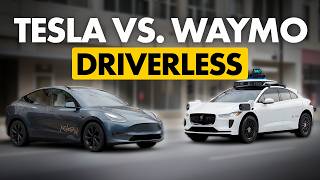
Tesla Robotaxi is Finally Here. (No Safety Driver)

